There’s a quiet frustration many of us carry but rarely say out loud.
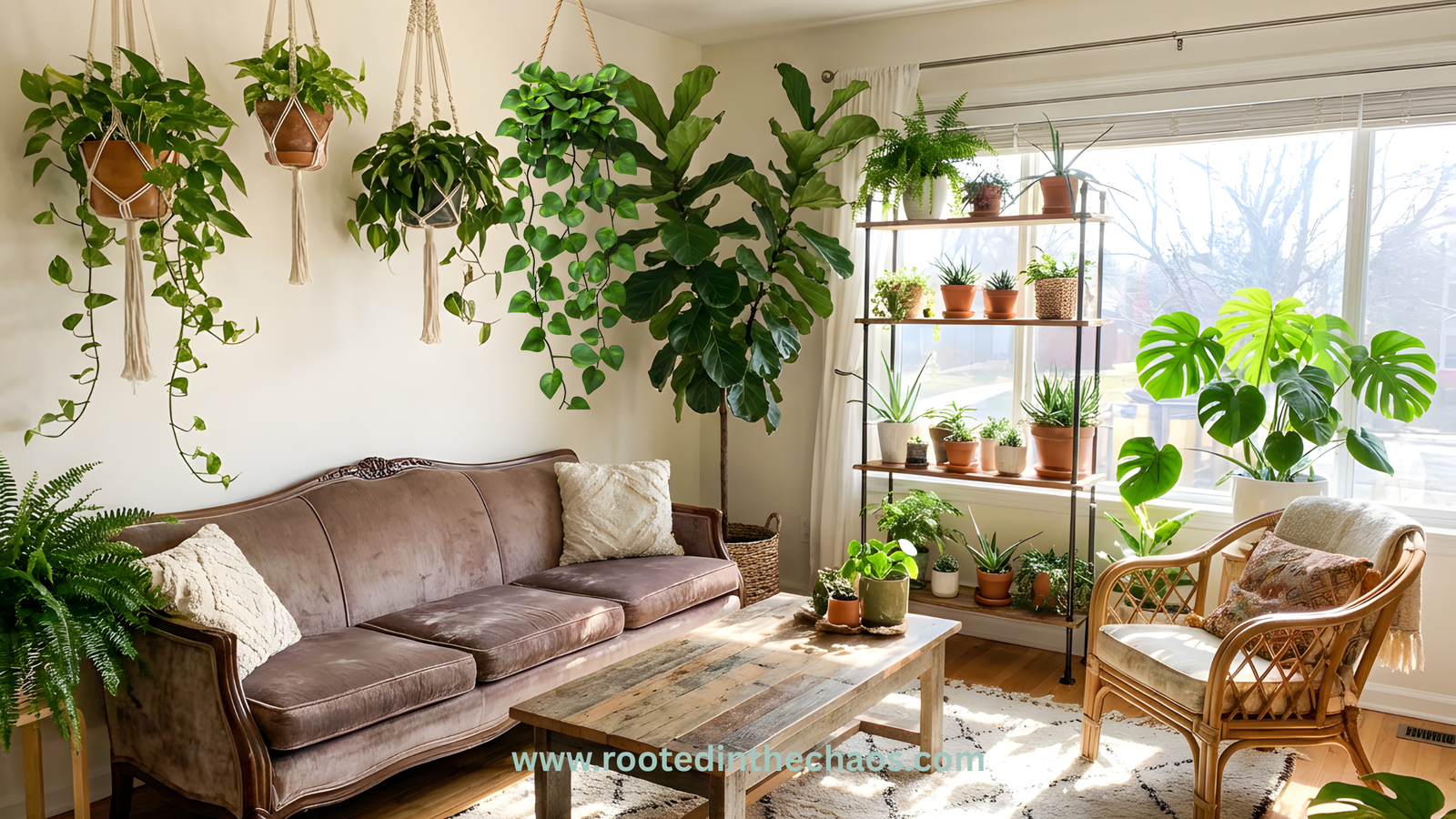
We bring a plant home with good intentions. We water it. We place it near a window. And still, something feels off. Leaves yellow. Growth slows. Another plant quietly declines.
Over time, it can start to feel personal.
But the truth is simpler and far less discouraging.
Plant care feels hard because most of us were never shown how to read plants, only how to follow instructions.
Plant Care Is Intuitive — and Intuition Grows Through Observation
Most care advice sounds definitive.
Water once a week. Bright indirect light. Well-draining soil.
In real homes, plant care doesn’t unfold through rules alone.
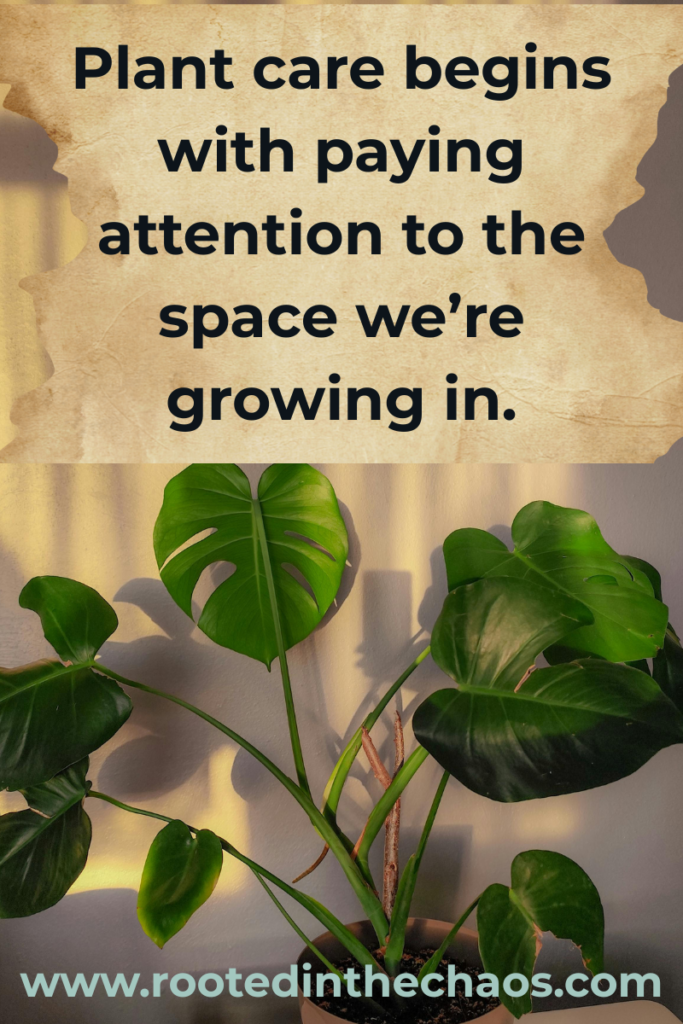
It develops through attention.
At first, we rely on observation. We notice how quickly soil dries, how light moves across a room, how a plant responds after watering. Over time, those observations settle into intuition.
We start to sense when a plant needs water before the leaves droop.
We recognize when a space feels slightly too dim.
We pause before changing something, because experience has taught us how this plant tends to respond.
Intuition isn’t something we either have or don’t.
It’s something we build by staying present long enough to notice patterns.
Why We So Often Feel “Bad at Plants”
We’re often taught plant care as a checklist instead of a relationship.
That approach leaves little room for:
- Learning curves
- Environmental differences
- Seasonal shifts
- Adjustment periods
When something goes wrong, we tend to internalize it instead of recalibrating.
But confidence with plants doesn’t come from getting everything right.
It comes from recognizing patterns and responding with curiosity instead of self-criticism.
From Rules to Signals
As we learn to notice plant signals, we often begin to notice patterns in ourselves as well. This deeper reflection is explored in Do Plants Reflect Our Emotional State?
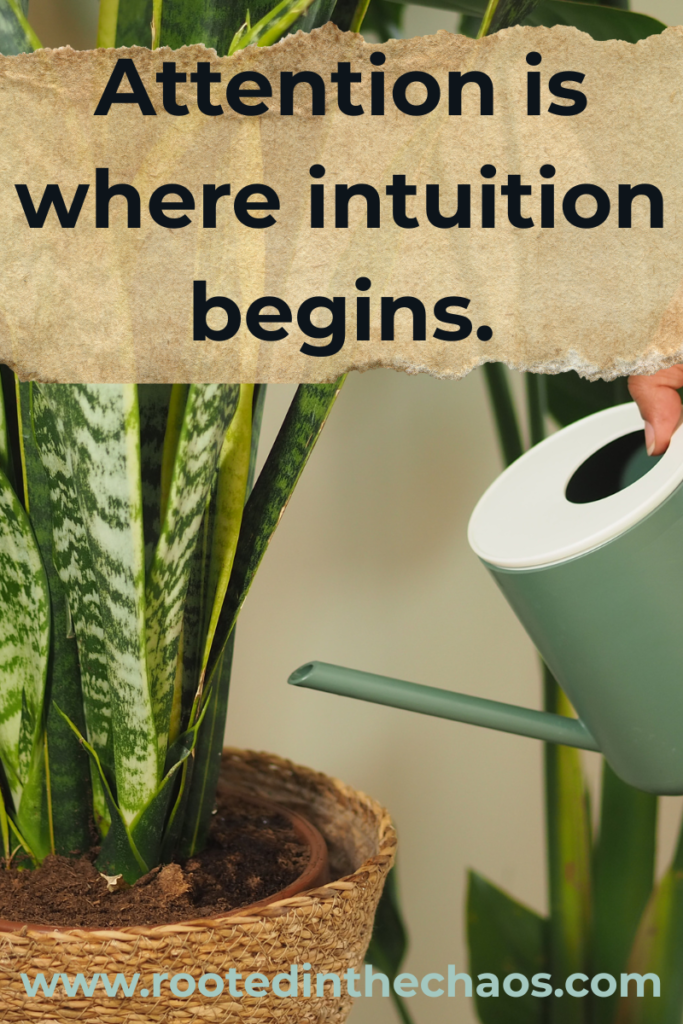
Plants are always communicating, just not in words.
As we spend time with them, we begin to notice:
- Leaf texture changing before visible damage
- Subtle drooping that signals thirst, not failure
- Soil staying damp longer than expected
- Growth slowing as seasons shift
These signals aren’t warnings.
They’re information.
When we respond to what we see instead of what a label promises, plant care becomes calmer and far less stressful.
Plant Care Insight
When things feel overwhelming, we return to a few steady practices:
- We water when the top inch of soil is dry, not on a schedule
- We notice how long soil stays moist in our space
- We adjust placement slowly rather than constantly moving plants
- We expect some leaf loss while a plant settles in
Progress looks like understanding why something happened, not avoiding every misstep.
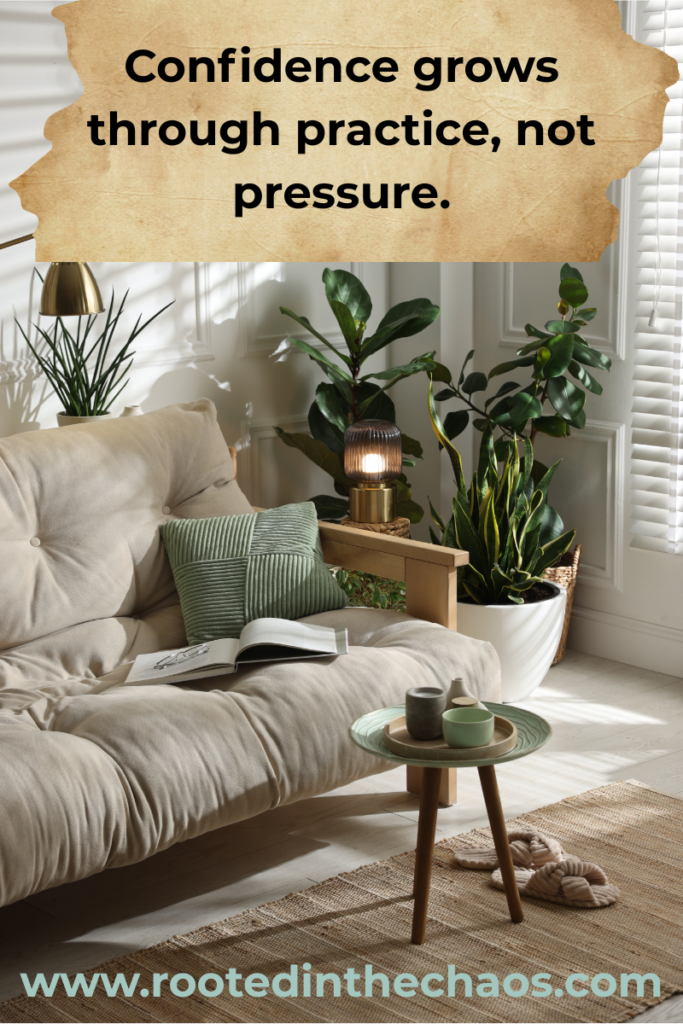
Confidence Grows With Practice, Not Pressure
Every experienced plant parent has lost plants. That’s part of the process.
What builds confidence isn’t a perfect success rate.
It’s learning how to interpret what’s happening and responding with patience.
When a plant declines, we ask:
- Was the light right for this space?
- Did the soil dry evenly?
- Did the season change recently?
Each answer adds clarity.
Clarity builds confidence.
A Grounded Takeaway
Plant care isn’t about having a “green thumb.”
It’s about learning our environment and responding with attention and care.
If we’ve struggled with plants before, it doesn’t mean we can’t do this.
It means we’re still learning how our space works.
And that’s not failure.
That’s practice.
Rooted in the Chaos is a reflective space exploring plant care, emotional alignment, and the quiet ways growth shows up in everyday life.
Leave a Reply