
Introduction — The Personal Observation
Over the years of having houseplants, I’ve noticed something I couldn’t ignore — my plants seem to ebb and flow right alongside me.
When I’m depressed or disconnected from myself, my plants often look the same. Leaves droop. Growth slows. Some that were once thriving end up barely hanging on.
More than once I’ve watched plants go from healthy to dying during seasons when I was carrying emotional weight or abandoning my own needs.
It made me start asking a deeper question:
What if our plants aren’t just reacting to water and light — but to us?
Questioning the Connection
I’m not the only one who has wondered this. Research has explored how plants respond to human presence, touch, sound, and environmental stress.
But beyond studies, what feels undeniable to me is the lived pattern.
When I’m overwhelmed, distracted, or disconnected — my care shifts. Not intentionally. Just subtly.
And my plants respond to that shift.
Which made me wonder:
If they reflect our attention and energy, could they also be reflecting our alignment with ourselves?
My Long Relationship with Plants
I’ve had plants my entire adult life — from one small plant on a windowsill to a home filled with greenery.
No matter how many I’ve had, the pattern stays the same.
When life feels balanced, my plants thrive.
When stress builds, my more sensitive plants struggle first.
When discomfort lasts longer, even my hardy plants begin to suffer.
It’s as if my inner world slowly shows up in my outer one.
When the Reflection Became Impossible to Ignore
There was a time in my life when I thought I was happy — but looking back, I wasn’t.
I was abandoning myself.
Ignoring my own limits.
Pouring energy into others while quietly draining myself.
And almost perfectly in sync, my plants started declining.
Leaves fell. Growth stopped. One by one they died.
My home went from a small jungle to something that looked like a scene from FernGully — and honestly, my life felt just as chaotic.
It wasn’t a coincidence.
I was losing pieces of myself, and my plants were showing it before I was ready to admit it.
The Subtle Language of Misalignment
It’s like telling your mom everything is fine — and she notices the tears in your eyes anyway.
Plants don’t shout.
They whisper.
When we love something, neglect rarely comes from not caring. It usually comes from being overwhelmed, disconnected, or out of alignment.
Our energy shifts.
Our attention shifts.
And our plants respond.
Alignment vs Natural Change
Not every change means something is wrong.
Sometimes interests shift naturally.
Sometimes collections outgrow our capacity.
When we’re aligned, we adjust with awareness — downsizing, simplifying, making space.
When we’re out of alignment, things quietly fall apart while we’re focused elsewhere.
For me, my plants often show what I haven’t yet admitted to myself.
When I’m thriving, they thrive.
When I’m abandoning myself, they reflect it.
Before plants can reflect anything back to us, we first have to learn how to read them. Understanding plant signals, environmental shifts, and care patterns builds the foundation for awareness. I explore this more deeply in Why Plant Care Feels Hard (and How We Build Confidence With Houseplants).
Learning to Recognize the Signs
Like everything in life, recognizing misalignment early makes it easier to recalibrate.
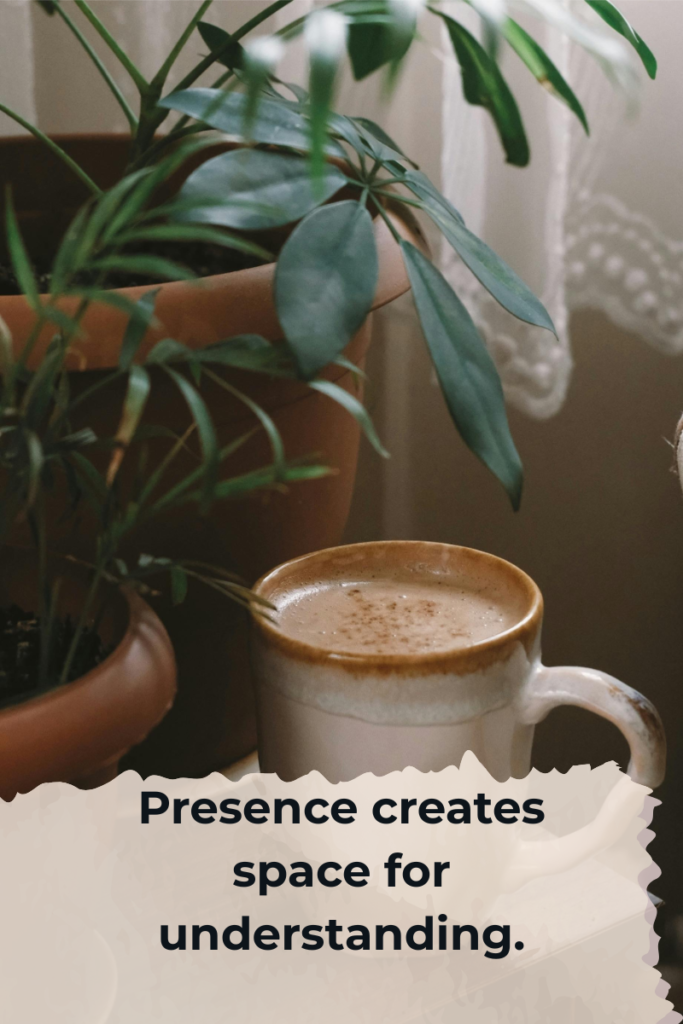
During grief or hard seasons, caring for my plants becomes grounding. It brings me back into the present. It reminds me to tend to something living — including myself.
Sometimes, when I really listen, my plants are telling me what I need before my mind catches up.
Closing Reflection
I’ve watched my plants for years with curiosity and honesty.
They live without expectations.
Without pretending.
Without pushing past their limits.
As humans, we often ignore our own signals — replacing them with what we think we should feel or do.
I don’t always trust my mind to know when I’m out of alignment.
But I trust my plants.
They reflect the truth without judgment.
Have you ever noticed your plants reflecting how you were really doing inside?
Leave a Reply