Description
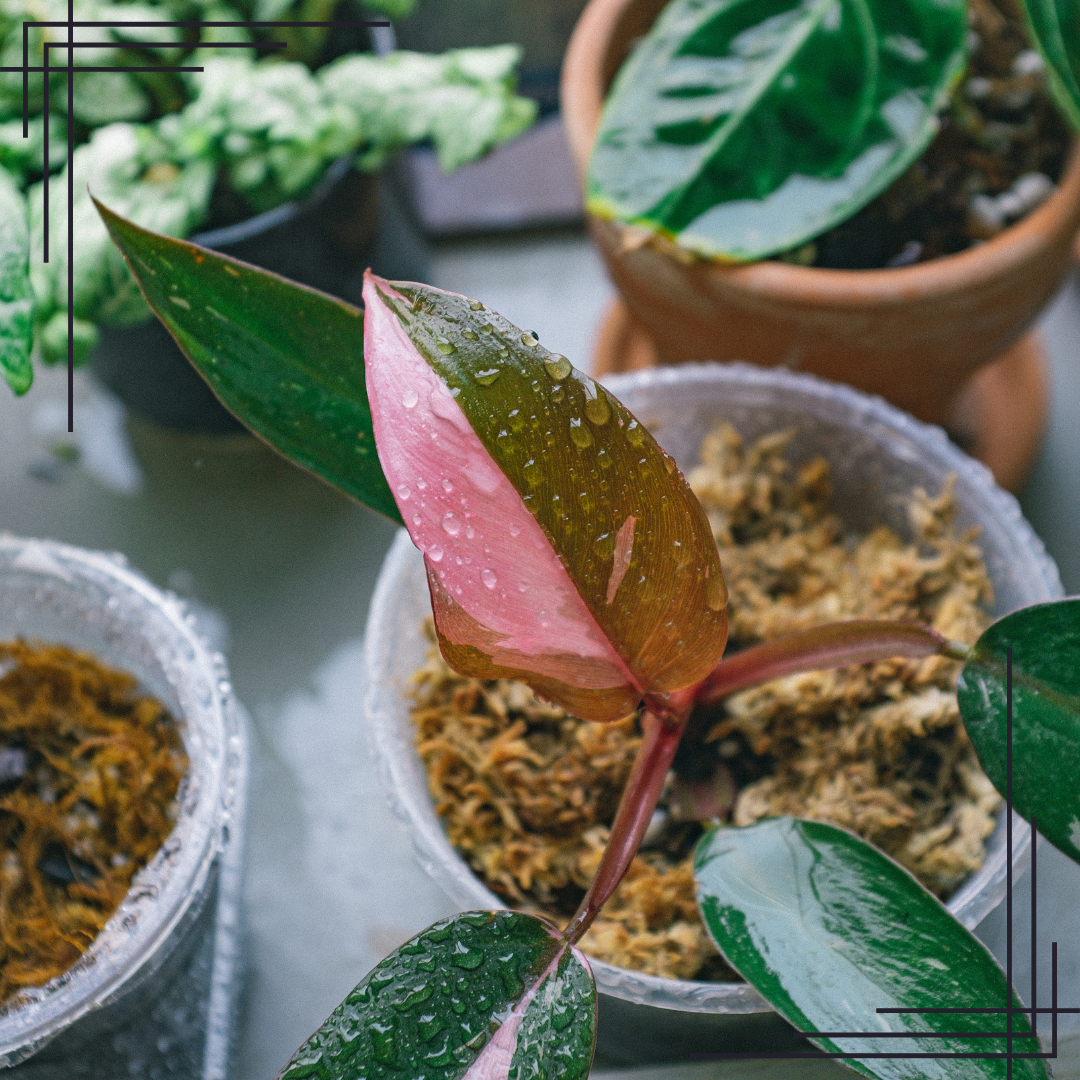
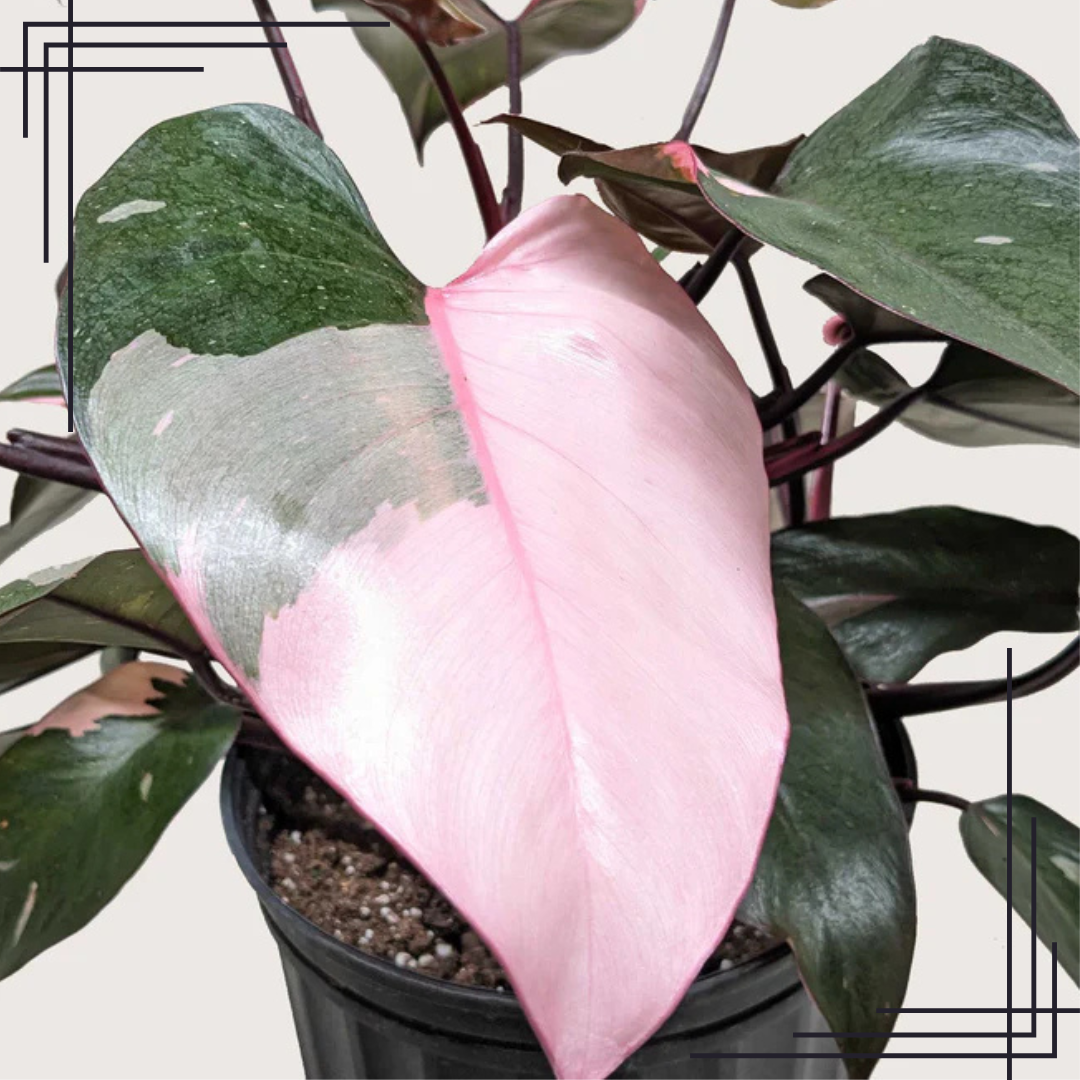
The Philodendron Pink Princess is a symbol of self-love, resilience, and the beauty found in mystery. With its deep, dark foliage and unpredictable splashes of bubblegum pink, it serves as a reminder that we are allowed to be complex and that our most vibrant colors often emerge from our darkest seasons.
Traditionally associated with appreciation, kindness, and personal growth, it is a botanical muse for those navigating major life events or seeking emotional healing. Many keep it in personal sanctuaries or bedrooms as a royal anchor to invite joy, harmony, and the courage to remain authentically ourselves.
Botanical Name: Philodendron erubescens ‘Pink Princess’
Common Name(s): Pink Princess, PPP, Blushing Philodendron
Care Notes:
- Light: Bright, indirect light is non-negotiable for maintaining its royal “blush.” While it can tolerate medium light, it may lose its pink variegation and revert to solid green without sufficient brightness. Avoid harsh, direct afternoon sun, which can burn the delicate pink sections of the leaves.
- Water: Allow the soil to dry out moderately—water when the top 1–2 inches of soil are dry. It prefers a “soak and dry” rhythm; drought-tolerant but appreciates consistent moisture during the growing season.
- Environmental: Warm temperatures between 65–80°F are ideal; avoid dropping below 55°F to protect it from cold stress. As a tropical native, it thrives in higher humidity (50–60%+).
- Pet Friendly: No; contains calcium oxalate crystals which are toxic to cats and dogs if ingested.
Like many rare beauties, the Philodendron Pink Princess responds best to consistency and gentle support. Its vining nature invites a slower, more attentive relationship, often requiring a moss pole to climb toward its full potential.
If you’re drawn to the mystery of new beginnings and the strength of personal transformation, this royal addition may be the perfect anchor for your space.
Please note that size is determined by the diameter of the nursery pot, not the height or width of the foliage. Additionally, as living organisms, individual plants will naturally vary; the level of variegation and the presence of fenestrations (leaf holes) are not guaranteed and will vary based on the plant’s age, maturity, and specific lighting conditions.

Reviews
There are no reviews yet.